
How Plants Get Here
A native plant is a species that naturally occurs in a specific region or habitat without human intervention, having adapted over time to local environmental conditions. These plants play a crucial role in supporting wildlife by providing food, shelter, and breeding habitat. The Department of Conservation of Natural Resources (DCNR) notes that Pennsylvania has about 2,100 identified native plants. Plants such as mountain laurel (Kalmia latifolia), eastern redbud (Cercis canadensis), and Pennsylvania sedge (Carex pensylvanica) are considered to be native to the ecoregions of Pennsylvania and northern Delaware. The term indigenous is often used synonymously with native, though it can reference a more specific or localized area.
Non-native plant species are those that have not existed historically in one area but have been introduced (brought to this new place) likely due to human activities. The means of this introduction can be intentional, for horticultural purposes, and accidental through shipping materials. While less common, some non-native species can also arrive via wind, water or animals. Not all non-native plants are harmful; many coexist without disrupting native ecosystems, though they may provide fewer ecological benefits than native species. Terms like alien and exotic are still used in technical contexts. Examples of non-native but generally non-disruptive plants in Pennsylvania include the garden tomato plant (Solanum lycopersicum) and Japanese maple (Acer palmatum).
When Plants Spread: Impact-Based Terms
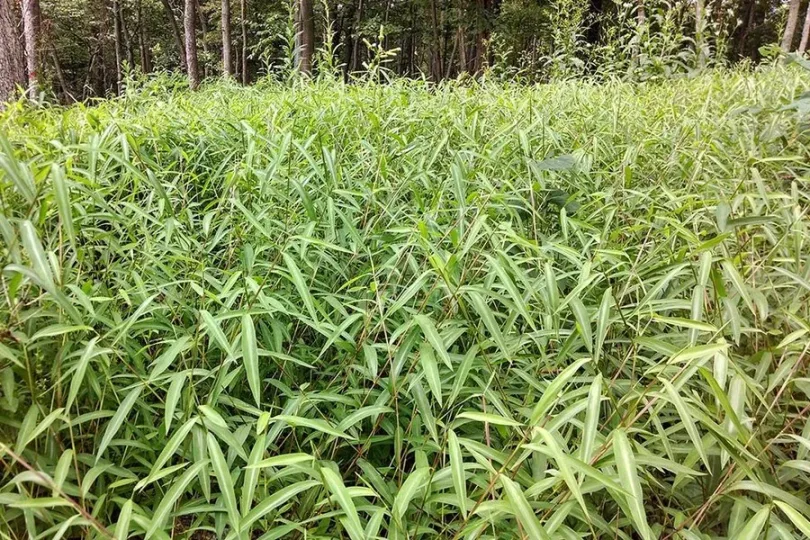
Some commonly used terms describe how plants behave rather than where they originate. Invasive refers specifically to non-native species that spread and cause environmental, economic, or health-related harm. In Pennsylvania, invasive plants such as Japanese stiltgrass (Microstegium vimineum), garlic mustard (Alliaria petiolate), and porcelain berry (Ampelopsis glandulosa) illustrate how some non-native, invasive species can spread rapidly and disrupt native plant communities.
Aggressive refers to a plant’s rapid growth and spreading habit. Even native species like Common milkweed and Wild bergamot can spread vigorously and outcompete neighbors, especially in small gardens, though they are less problematic in larger plantings. This differs from invasive, which describes both a plant’s non-native origin and its harmful impact.
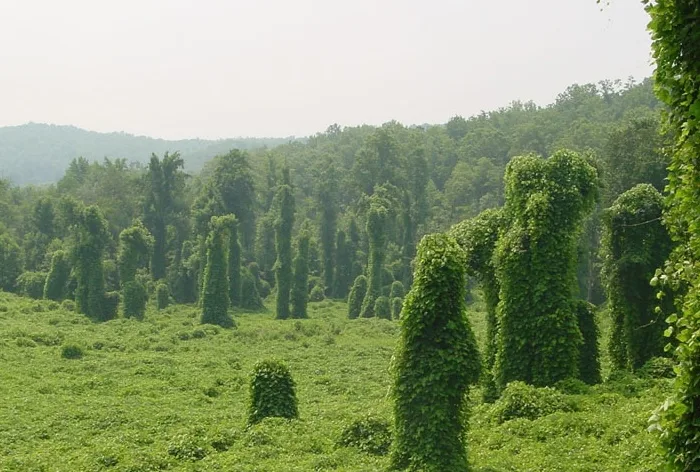
A noxious plant is a legal designation applied by regulatory agencies to species that pose risks to agriculture, natural resources, or public health. Because this classification is based on law rather than ecology alone, a plant can be noxious, invasive, both, or neither-so the terms aren’t interchangeable. The USDA classifies kudzu (Pueraria lobata) as a Class A noxious weed in Pennsylvania.
Movement and Period of Presence
A naturalized plant is a non-native species that has established self-sustaining populations without ongoing human assistance. Some remain relatively stable, while others may become problematic over time. Adventive plants appear temporarily in new areas without long-term establishment. For example, non-native seeds introduced through roadside disturbance may germinate briefly but fail to persist.
Reframing Perspective
By consciously tracing each plant’s origin, pathway of introduction, rate of spread, and ecological influence, we can describe it with increased accuracy. This intentional approach strengthens dialogue and supports a more practical understanding of the living systems around us.
— Written by Julia Steiner, Public Engagement Coordinator — Conservancy Programs, Brandywine Conservancy & Museum of Art
Resources
Native Plants | Department of Conservation and Natural Resources| Commonwealth of Pennsylvania
About Weeds and Invasives | Bureau of Land Management
Glossary – Brandywine Native Garden Hub