
Fall Into Native Planting
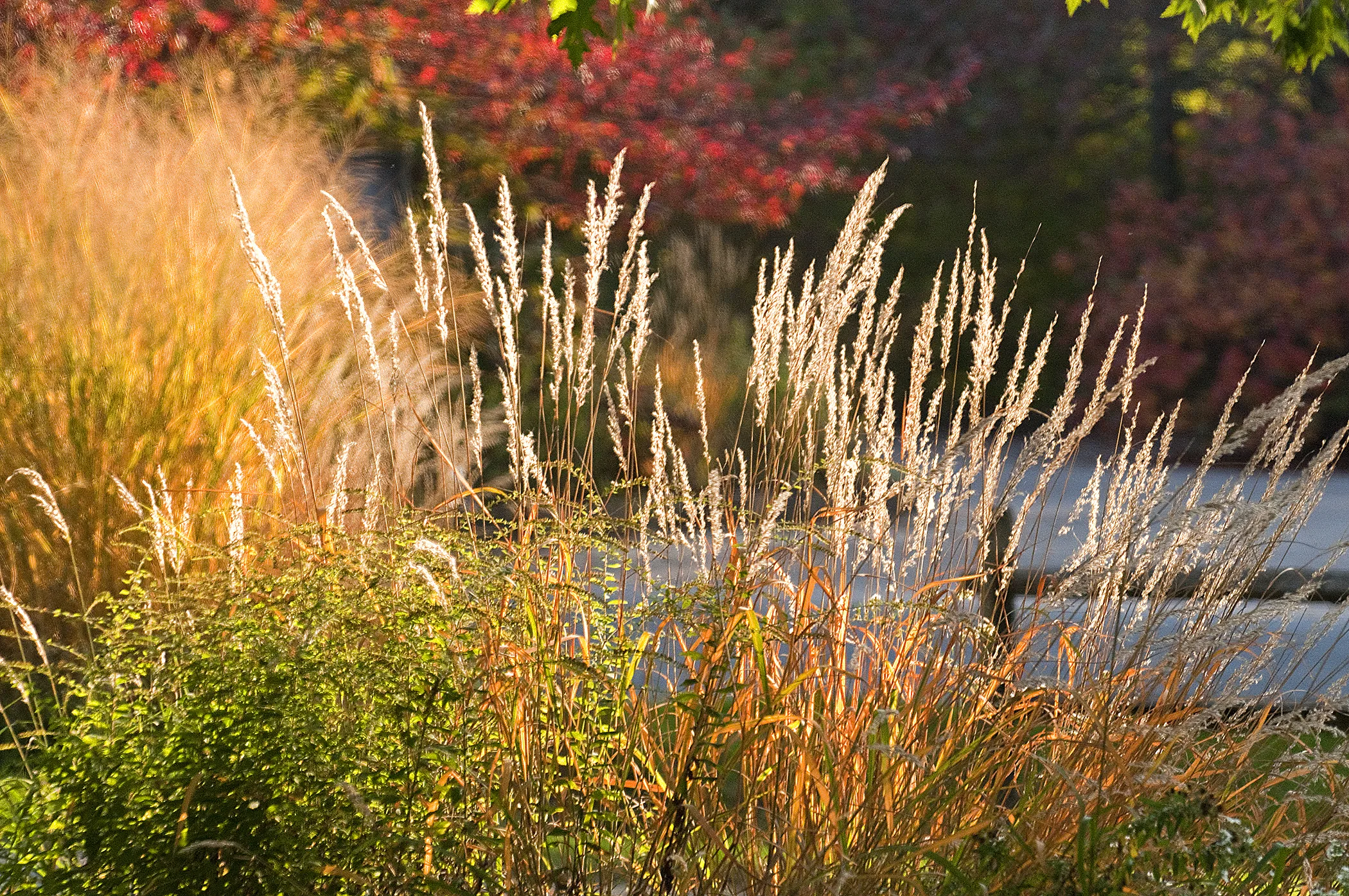
Although both spring and fall offer great opportunities to establish native plants, fall is often the lesser-known secret. As temperatures cool and soils remain warm, plants can focus their energy on developing strong root systems before winter, setting them up for success the following growing season. Whether you’re starting a pollinator-inspired garden or adding a few native species to an existing landscape, understanding the unique benefits of each planting season can help your garden—and the wildlife that depends on it—to thrive.
Why Fall Gives Native Plants a Head Start
While the landscape above ground begins to slow down in the fall, an important transformation is happening below the surface. Warm soil temperatures allow roots to continue growing long after the air has cooled, giving newly planted native trees, shrubs, and perennials valuable time to establish before winter dormancy. Since plants are directing their energy toward root development rather than producing new leaves or flowers, they tend to experience less transplant stress and often require less supplemental watering. This makes planting easier on both gardeners and plants!
By the time spring arrives, these plants should have more established root systems, allowing them to focus on producing new growth and withstanding the heat and dry conditions of summer. For native plants especially, this head start supports long-term resilience within landscapes that provide food, shelter, and habitat for pollinators and other wildlife.

Spring Still Shines
Fall offers a unique edge for establishing native plants, yet spring remains an excellent time to plant. It’s the season where many nurseries and native plant sales typically offer the widest selection, making it easier to find the species you’re looking for. Spring planting is also a good choice for species with less winter hardiness, as it provides an entire growing season to establish before cold weather arrives.
The key to success is consistent care. Because spring-planted natives are still developing their root systems as summer heat and dry conditions set in, they often require more frequent watering and monitoring during their first growing season. However, with a little extra attention, spring-planted natives can establish just as successfully, providing lasting beauty and ecological value for years to come.
The Best Time to Plant Is When You’re Ready

Whether you plant in spring or fall, the most important step is simply getting more native plants into the ground. Every native tree, shrub, or plant added to the landscape expands habitat, food, and shelter for wildlife while providing green infrastructure, such as reducing flooding by improving stormwater infiltration.
While understanding the advantages of each planting season can help set your garden up for success, choosing regionally appropriate native species and planting them with proper care matters far more than following a calendar season. So, if spring came and went before you had a chance to plant, don’t wait until next year. Fall offers a second, and often overlooked, opportunity to plug in more native plants.
Spring vs Fall: At-A-Glance
| Spring Planting | Fall Planting |
| Widest nursery selection | Warmer soil promotes root growth |
| Full growing season ahead | Cooler temperatures reduce transplant stress |
| More summer watering often needed | Often benefits from seasonal rainfall |
| Great for less winter-hardy species | Helps plants establish before summer heat |
Resources:
Penn State Extension
Lady Bird Johnson Wildflower Center
USDA
Homegrown National Park
Native Plant Trust
Missouri Botanical Garden
— Written by Julia Steiner, Public Engagement Coordinator — Conservancy Programs, Brandywine Conservancy & Museum of Art